








Laser Cutting Carbon Steel Type
MAGICK laser cutting machines process a range of carbon steels. Find the right cutting setup for your steel grade, thickness and application.
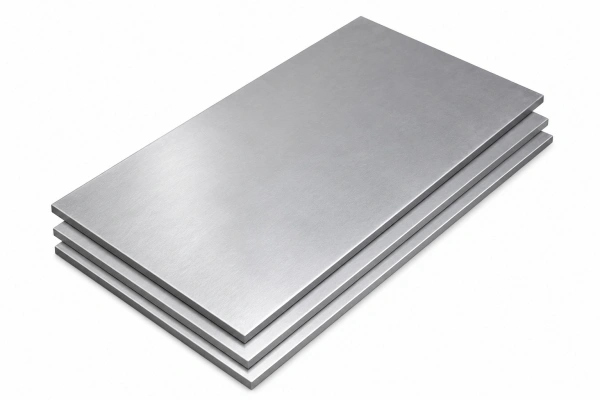
Low carbon steel is generally easy to laser-cut using oxygen or nitrogen, depending on the material thickness and available laser power. With the proper parameter settings, it is possible to achieve cuts with smooth edges, near-right-angle corners, and minimal slag.
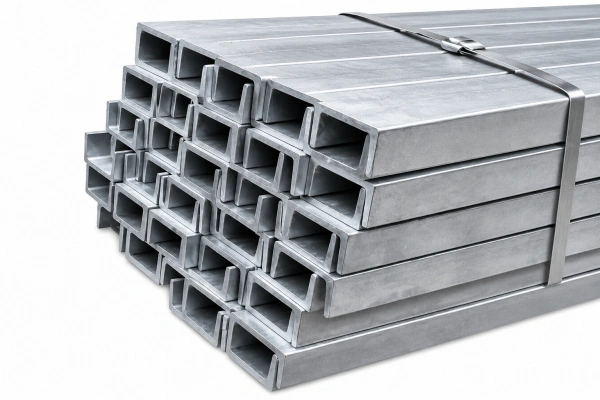
Select the appropriate cutting parameters based on the steel grade and thickness. When edge quality is critical, inspect the hardness of the cut edge and the heat-affected zone.
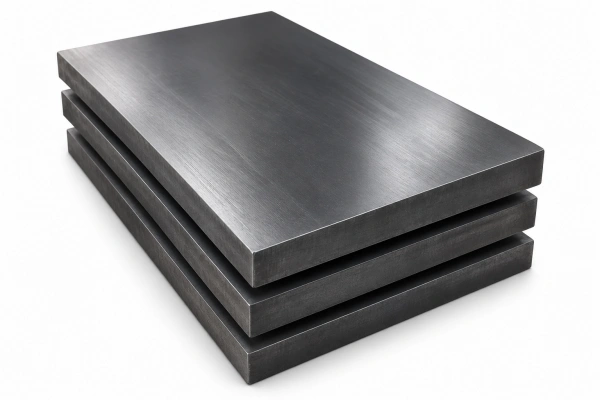
The rapid heating and cooling that occur during laser cutting may cause the cut edges to harden. Before beginning full-scale production, please perform a test cut and check the cut edges for hardening or cracks.
Why Laser Cutting Is Ideal for Carbon Steel?
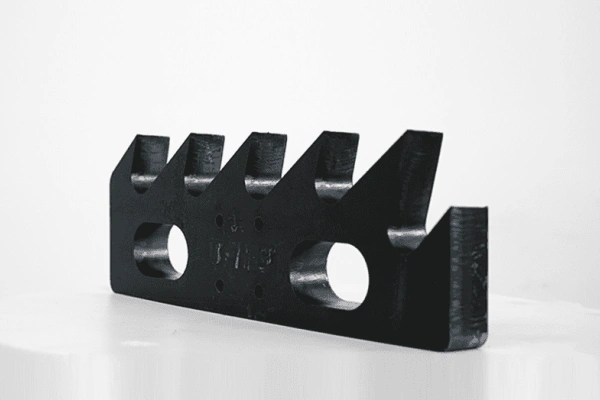
As a widely used engineering material, carbon steel is widely used in both everyday life and industrial applications due to its exceptional properties. In traditional carbon steel processing, inadequate equipment often results in defects such as scarring, cracks, delamination, white spots, impurities, and porosity. Therefore, metal laser cutting machines—which are well-suited to modern needs—have become the ideal choice for carbon steel processing.
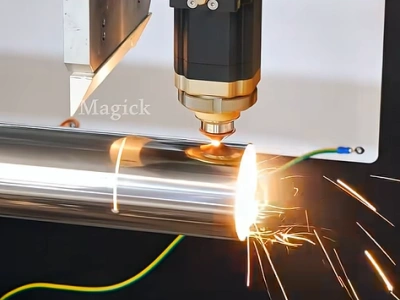
Carbon steel absorbs laser energy effectively, allowing the focused beam to rapidly heat the cutting line. When oxygen is used as an assist gas, it reacts with the high-temperature steel and releases additional heat, further increasing the cutting speed.
Laser cutting produces cuts with smooth edges, minimal burrs, and a narrow heat-affected zone, thereby reducing the need for secondary processing. For suitable thin-gauge sheet metal, dimensional tolerances of ±0.1 millimeters can be achieved. The cutting head maintains a distance from the workpiece, avoiding direct mechanical stress during the cutting process.
CNC technology makes it possible to cut complex shapes in carbon steel sheets, tubes, and profiles. It also supports automated production, ensuring consistent part dimensions and high material utilization.
Carbon Steel Laser Cutting Thickness and Power
Doğru Lazer Gücünün Seçilmesi
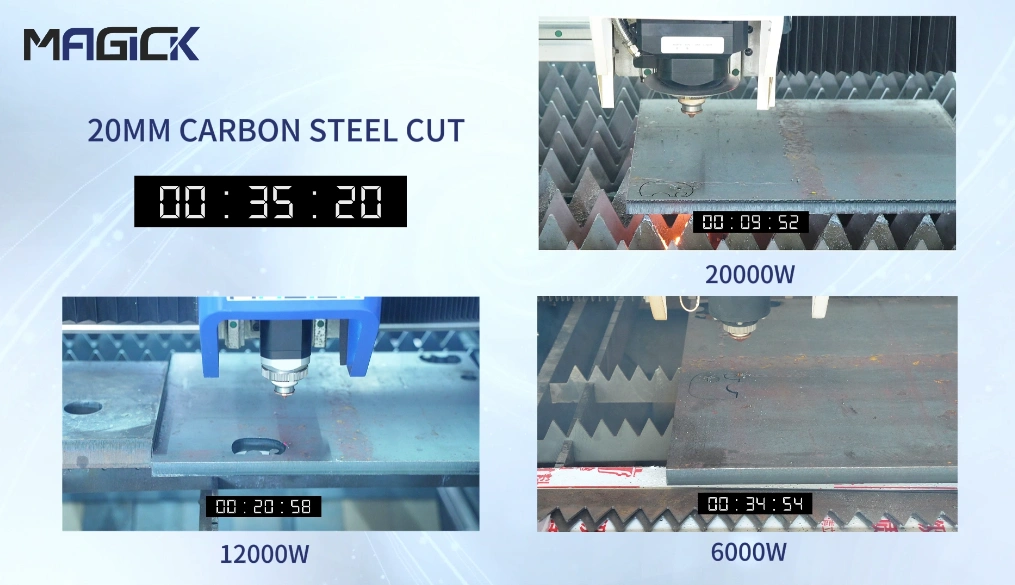
When choosing laser power for carbon steel cutting, start with your usual plate thickness and required edge finish. The maximum thickness shows how thick a plate can be cut through under suitable conditions. If you need clean edges and consistent results, use the high-quality cut column as your starting point.
These figures are approximate. Actual results depend on the steel grade, assist gas, machine configuration, and cutting settings. Some 12 kW setups can cut carbon steel around 35 mm thick. Use a test cut to confirm the speed and edge finish you need for production.
Carbon Steel Cutting Thickness by Laser Power
| Lazer Gücü | Approx. Maximum Thickness | High-Quality Cut Reference |
|---|---|---|
| 500 W | About 6 mm | Up to about 3 mm |
| 1,000 W | About 10 mm | Up to about 6 mm |
| 2,000 W | About 16 mm | Up to about 12 mm |
| 3,000 W | About 20 mm | Up to about 16 mm |
| 6,000 W | About 25–30 mm | Up to about 20 mm |
| 12,000 W and above | About 35–40 mm or more | Confirm with a test cut |
İlgili Ürünler
MK-S Tek Masalı Fiber Lazer Kesim Makinesi
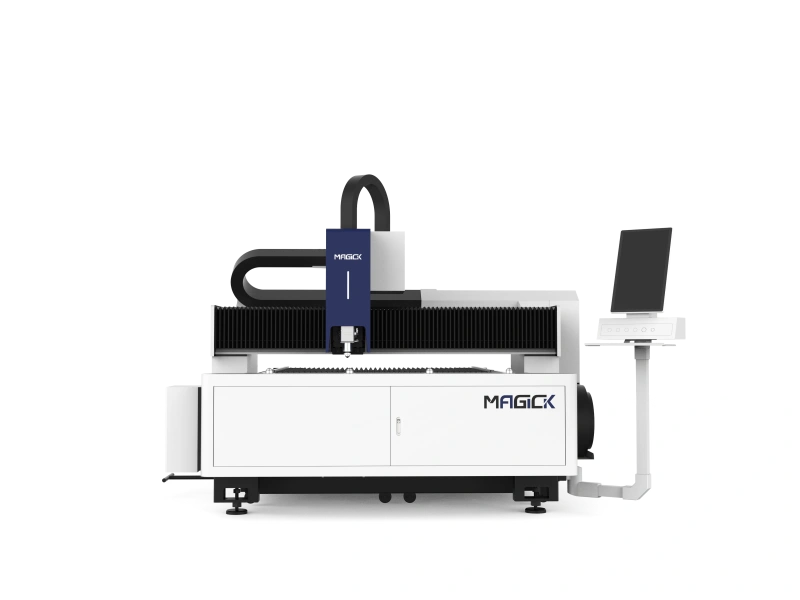
A flexible sheet metal cutting solution with an open-table design, suitable for small workshops and diverse carbon steel processing needs.
MK-S Ayrıntılarını Görüntüle
MK-E Değiştirilebilir Masa Tipi Fiber Lazer Kesim Makinesi
An exchange-table design that reduces loading downtime and supports efficient batch production of carbon steel sheets and metal components.
MK-E Ayrıntılarını Görüntüle
MK-P Fully Enclosed Fiber Laser Cutting Machine
A fully enclosed sheet laser cutting solution featuring protective viewing windows and an enclosed cutting area for a safer production environment.
View MK-P Details
MK-H Large Format Laser Cutting Machine
A large-format, high-power solution suited to thick carbon steel plate processing.
View MK-H Detailsİlgili Makaleler
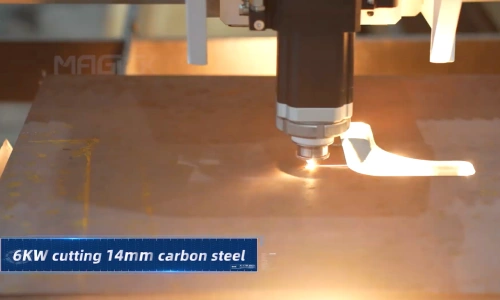
Çelik Sacın Lazerle Kesilmesi: Üreticiler İçin Pratik Bir Kılavuz
Çelik sacın lazerle kesilme sürecinin nasıl işlediğini, 20 mm'lik kesim, kenar kalitesi ve maliyeti nasıl değerlendireceğinizi ve doğru fiber lazer makinesini nasıl seçeceğinizi öğrenin.
Fiber Lazer Kesici Satın Alma Rehberi: Güç, Fiyat ve Temel Teknik Özellikler
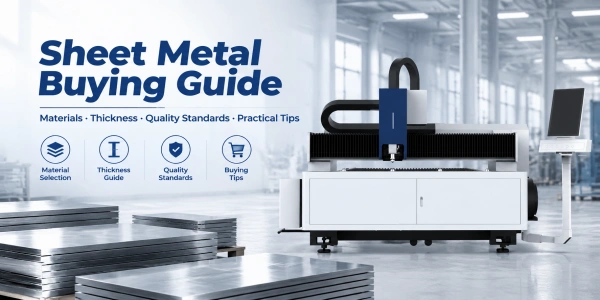
Fiber lazer kesicilerin gücünü, fiyatlarını ve temel teknik özelliklerini karşılaştırın. Size en uygun konfigürasyonu bulun ve size özel bir teklif isteyin.
Lazer Kesici Nasıl Çalışır?
Lazer kesici nasıl çalışır? Lazer odaklama, yardımcı gaz ve CNC hareketinin bir araya gelerek nasıl hassas metal kesimi sağladığını öğrenin.