






Carbon Steel Laser Cutting
Carbon Steel We Can Cut
MAGICK laser cutting machines process a range of carbon steels. Find the right cutting setup for your steel grade, thickness and application.
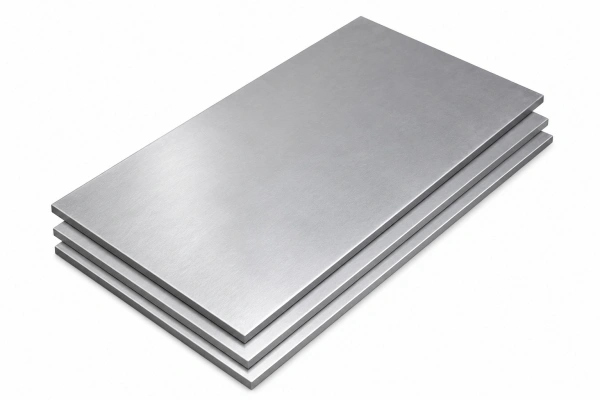
Low Carbon Steel
Q235 · 10# · 20#
Also: Q345 low-alloy structural steel
Well suited to everyday laser cutting for brackets, panels and structural parts. Proper settings help achieve clean edges with minimal dross.
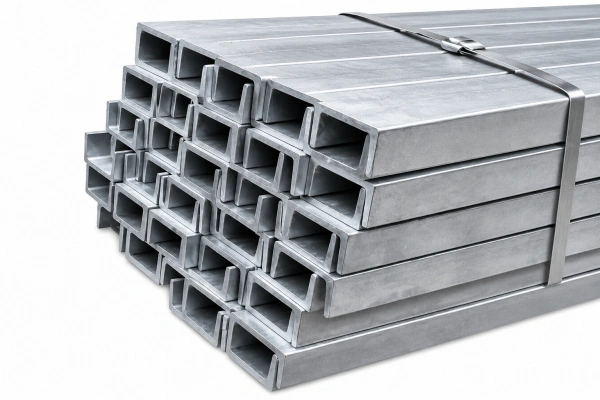
Medium Carbon Steel
45# steel
Can be laser cut with settings matched to the thickness and material condition. Heat input and assist gas need careful control to manage cut quality and edge hardening.
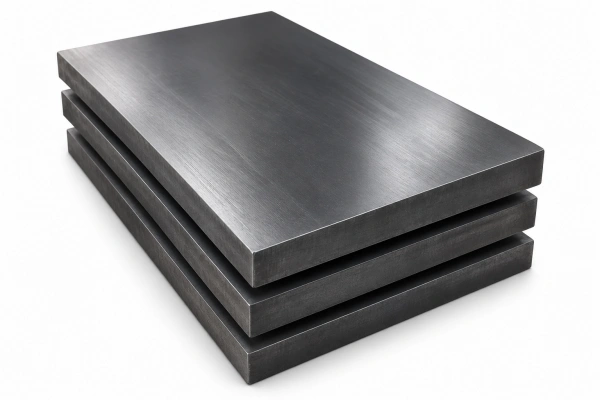
High Carbon Steel
T8 · T10 carbon tool steels
Requires a cutting trial for the specific grade and material condition. Check edge hardness and cracking risk before production, especially when cutting hardened stock.
Why Laser Cutting Is Ideal for Carbon Steel?
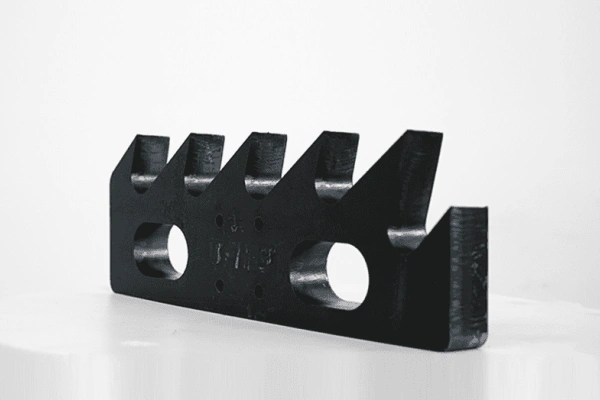
In traditional carbon steel processing, deficiencies in equipment often result in defects such as scarring, cracks, delamination, white spots, impurities, and porosity in the finished product. Therefore, metal laser cutting machines—which are in line with current trends—have become the ideal choice for carbon steel processing.
Because carbon steel contains carbon, it does not reflect light strongly and absorbs the laser beam well. This makes it particularly suitable for cutting with laser cutters, yielding excellent results: the cut surface is flat, smooth, and aesthetically pleasing. The process is convenient, safe, and cost-effective.
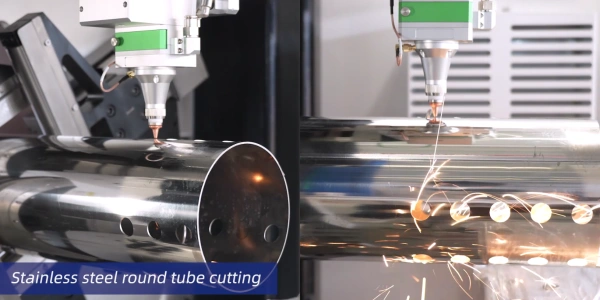
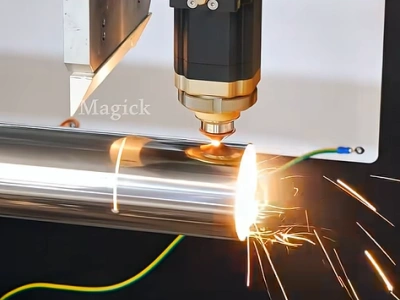
When laser-cutting carbon steel, the laser beam emitted by the laser source strikes the surface layer of the steel. The instantaneous high temperature generated, aided by the assist gas, rapidly reacts with elements such as silicon, manganese, sulfur, and phosphorus contained within the carbon steel, oxidizing, melting, and vaporizing them. This process allows the beam to penetrate the carbon steel, and by controlling the laser’s movement via CNC, the cutting objective is achieved.
Advantages of Laser Cutting Carbon Steel
Excellent Laser Energy Absorption
Carbon steel absorbs fiber laser energy effectively because its surface generally reflects less laser energy than highly reflective metals such as copper and aluminum. This allows more of the beam's energy to be converted into heat at the cutting point, supporting stable penetration, efficient material removal, and consistent cutting performance across a range of carbon steel thicknesses.
Enhanced Cutting Efficiency Through Exothermic Reactions
Oxygen is commonly used as an assist gas when laser cutting carbon steel. At high temperatures, oxygen reacts with the heated steel in an exothermic oxidation reaction, releasing additional heat that supports the cutting process. This extra energy can increase cutting speed and help process thicker plates more efficiently, depending on material thickness and cutting parameters.
High Cutting Precision and Excellent Edge Quality
A focused laser beam creates a fine spot with high energy density, enabling precise cuts and a relatively small heat-affected zone. With suitable power, focus, and assist-gas settings, carbon steel edges can be clean, smooth, and nearly burr-free. This often reduces the need for secondary grinding or deburring, improving finished-part quality and dimensional consistency.
High Production Efficiency and Processing Flexibility
Laser cutting integrates with CNC systems to produce complex contours, irregular holes, and detailed features without changing physical tooling. Quick program changes support both small-batch and high-volume production. Because the process is non-contact, there is no conventional tool-to-workpiece wear, reducing tool replacement needs, setup interruptions, and related maintenance costs over time.
Assist Gases and Cutting Characteristics
Corte con oxígeno
Reactive cutting
Oxygen cutting is the most commonly used method for carbon steel. Oxygen reacts exothermically with the steel, adding heat to the cutting process. This can significantly increase cutting speed and extend the maximum cutting thickness, from thin sheet to medium and thick plate. The trade-off is a wider kerf, a larger heat-affected zone and an oxidized cut edge that usually needs cleaning before painting or powder coating.
Corte con nitrógeno
Fusion cutting
Nitrogen cutting is suitable for carbon steel parts where edge oxidation must be strictly controlled, or for parts that will later be welded or coated. It produces a silver-white cut face without an oxide layer. Because nitrogen does not react with the steel, cutting relies on the laser beam alone, so speed and maximum thickness are lower than with oxygen. It is normally supplied at higher pressure, which raises gas consumption and running cost.