







Carbon Steel We Can Cut
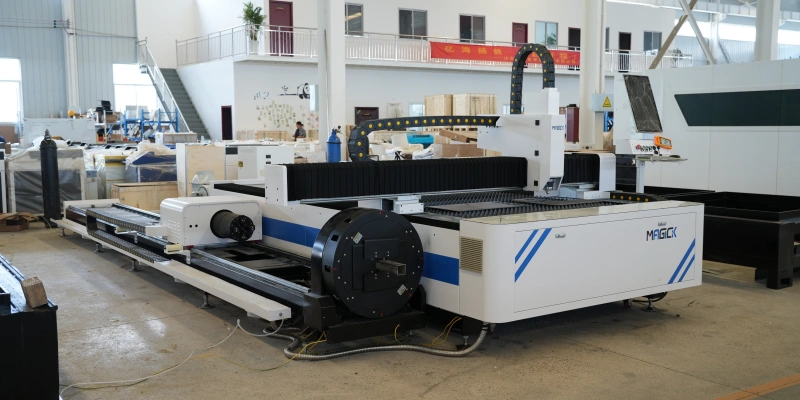
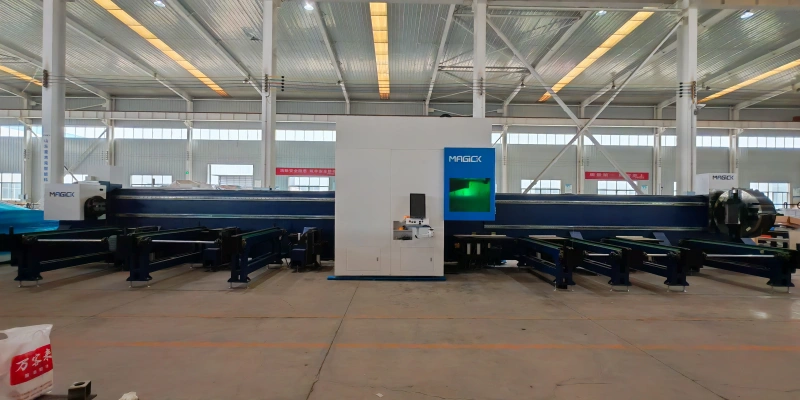
MAGICK laser cutting machines process a range of carbon steels. Find the right cutting setup for your steel grade, thickness and application.
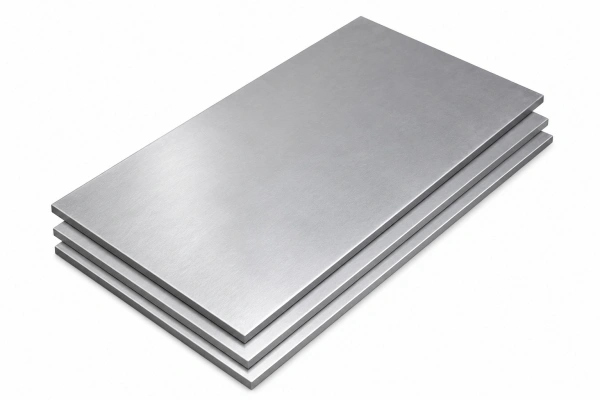
Well suited to everyday laser cutting for brackets, panels and structural parts. Proper settings help achieve clean edges with minimal dross.
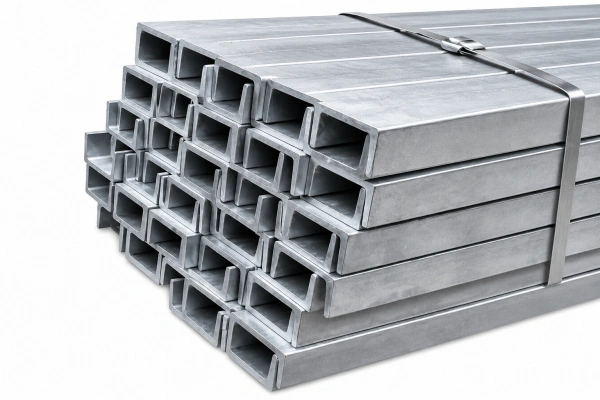
Can be laser cut with settings matched to the thickness and material condition. Heat input and assist gas need careful control to manage cut quality and edge hardening.
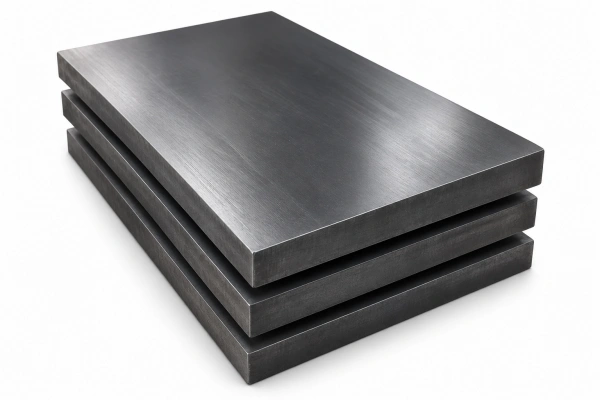
Requires a cutting trial for the specific grade and material condition. Check edge hardness and cracking risk before production, especially when cutting hardened stock.
Why Laser Cutting Is Ideal for Carbon Steel?
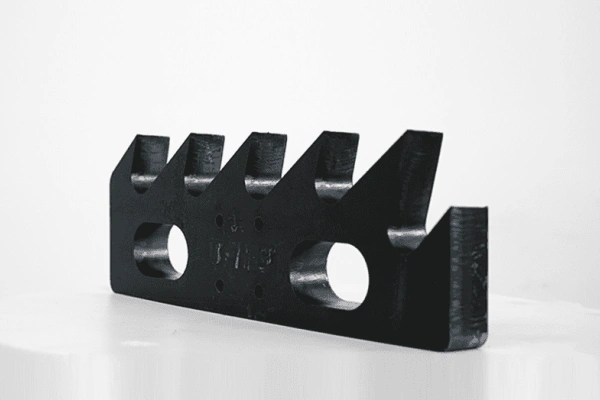
In traditional carbon steel processing, deficiencies in equipment often result in defects such as scarring, cracks, delamination, white spots, impurities, and porosity in the finished product. Therefore, metal laser cutting machines—which are in line with current trends—have become the ideal choice for carbon steel processing.
Because carbon steel contains carbon, it does not reflect light strongly and absorbs the laser beam well. This makes it particularly suitable for cutting with laser cutters, yielding excellent results: the cut surface is flat, smooth, and aesthetically pleasing. The process is convenient, safe, and cost-effective.
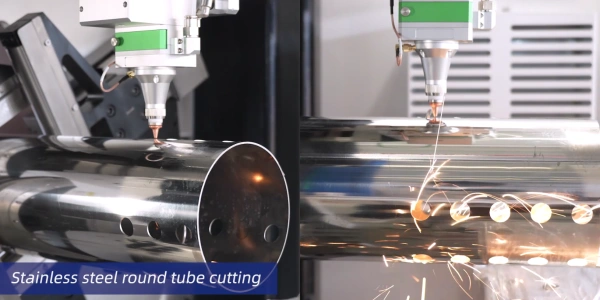
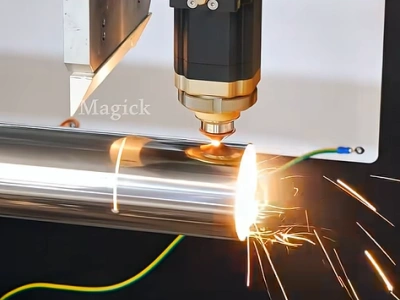
When laser-cutting carbon steel, the laser beam emitted by the laser source strikes the surface layer of the steel. The instantaneous high temperature generated, aided by the assist gas, rapidly reacts with elements such as silicon, manganese, sulfur, and phosphorus contained within the carbon steel, oxidizing, melting, and vaporizing them. This process allows the beam to penetrate the carbon steel, and by controlling the laser’s movement via CNC, the cutting objective is achieved.