








LASER CUTTING BRASS TYPE
MAGICK laser cutting machines process a range of brass. Find the right cutting setup for your brass alloy, thickness and application.
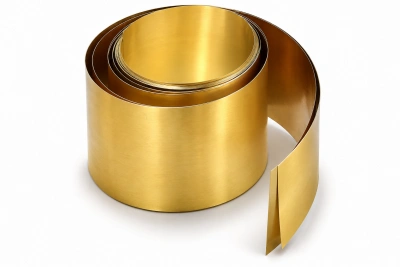
Brass foil and strips (0.02 mm – 0.5 mm).
These materials can be used for high precision micro-cutting with small- to medium-power fiber lasers or UV lasers, and are commonly used in battery electrodes, precision gaskets, and electronic components.
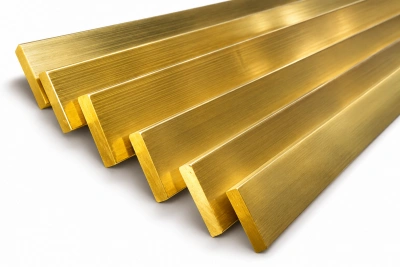
Thick brass plate calls for a fiber laser cutter with back-reflection protection.
Raycus lists a 30 mm trial cut at 2–2.5 m/min with a 40 kW fiber laser and nitrogen at 18 bar. This setting is for sample cuts or small batches and is not recommended for routine mass production.
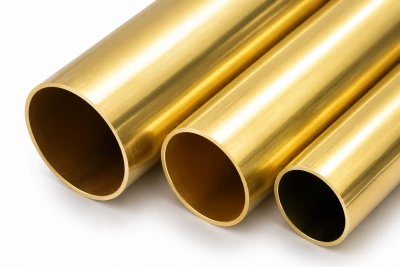
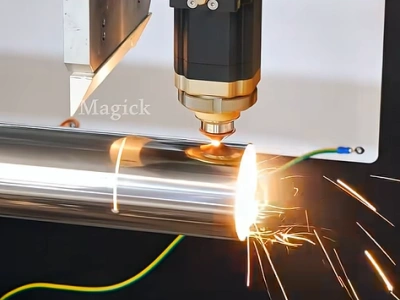
Brass pipes and profiles. Using a specialized laser tube-cutting machine, it is possible to perform hole-cutting, parting, and beveling on round, square, and custom-shaped brass tubes.
5 Advantages of Fiber Laser Cutting for Brass
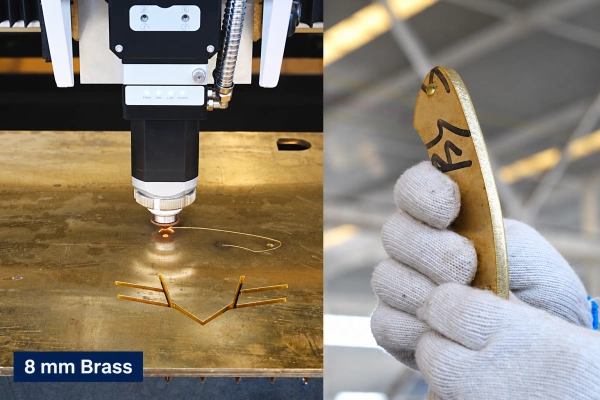
A fiber laser cutting machine offers five advantages when you need to laser cut brass for industrial production or custom work.
High precision and smooth edges. A tightly focused fiber laser produces a narrow kerf and a small heat-affected zone. It can leave smooth, burr-free edges, so parts can go straight to assembly without extra grinding.
Non-contact cutting. The laser beam cuts without touching or pressing on the brass. This helps prevent the distortion and surface scratches that punching or shearing can cause on thin-walled or precision brass parts.
Fast cutting. On thin and medium-thickness brass sheets, fiber laser cutting can be much faster than wire EDM or waterjet cutting, shortening lead times for production batches.
Flexible production without dies. Import a CAD drawing and cut the part directly, without paying for dies or stopping to change them. This is useful for intricate cutout patterns, prototypes, and small custom orders.
Lower operating and maintenance costs. A fiber delivery system eliminates the need for complex mirror alignment. High electrical efficiency and low consumable use can reduce electricity and maintenance costs over time compared with conventional equipment.
Brass Laser Cutting Thickness and Power
Choosing the Right Laser Power
The reference data covers 1–4 mm brass at 2 kW, 1–6 mm at 4 kW, and 1–10 mm at 6 kW. For thicker parts, 12 kW extends the range to 14 mm. Check cutting speed and edge quality with a sample cut before production.
The table below summarizes nitrogen-assisted brass cutting data from the Raycus parameter database. Reference ranges exclude trial-cutting entries; maximum listed thicknesses include them where marked with an asterisk.
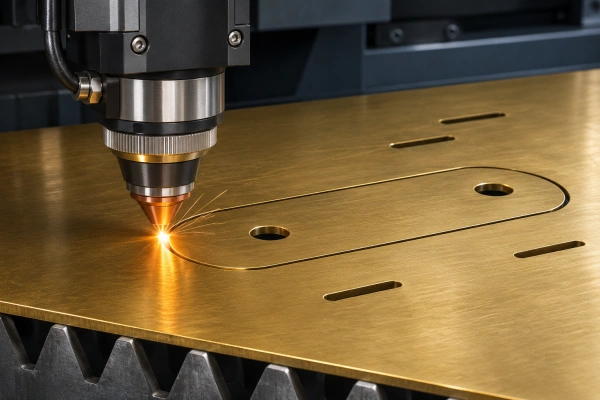
Brass Cutting Thickness by Laser Power
| Laser Power | Reference Cutting Range | Maximum Listed Thickness |
|---|---|---|
| 2 kW | 1–4 mm | 4 mm |
| 3 kW | 1–5 mm | 6 mm* |
| 4 kW | 1–6 mm | 8 mm* |
| 6 kW (34 / 75 μm core) | 1–10 mm | 12 mm* |
| 12 kW | 1–14 mm | 16 mm* |
| 15 kW | 1–16 mm | 20 mm* |
| 20 kW | 1–18 mm | 20 mm* |
| 30 kW | 2–18 mm | 20 mm* |
| 40 kW | 5–25 mm | 30 mm* |
* Trial-cutting parameter: suitable for sample cutting or small batches, not recommended by the source for routine mass production.
Ranges summarize the thicknesses listed in the database, not guaranteed production limits or minimum cutting capabilities. Actual results vary with brass alloy, machine configuration, and required edge quality.
Related Products
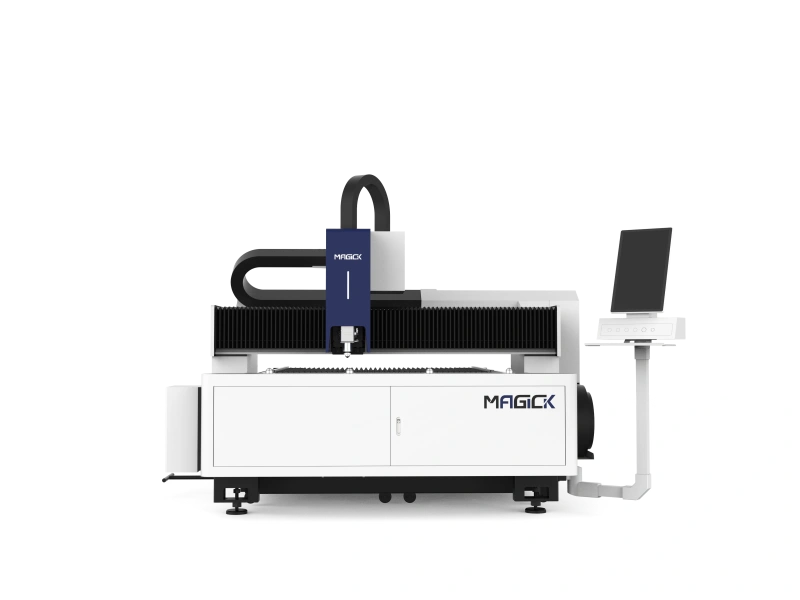
MK-S Single Table Fiber Laser Cutting Machine
An open single-table cutter for prototypes and short sheet metal runs, with easy access for loading and unloading.
View MK-S Details
MK-E Exchange Table Fiber Laser Cutting Machine
Load the next sheet on one table while the other is cutting to reduce waiting time between sheets in a production run.
View MK-E Details
MK-P Fully Enclosed Fiber Laser Cutting Machine
A fully enclosed sheet cutter with viewing windows so operators can monitor cutting with the doors closed.
View MK-P Details
MK-H Large Format Laser Cutting Machine
A large-format sheet cutter with configurable bed sizes for oversized panels and long plate parts.
View MK-H DetailsRelated Articles
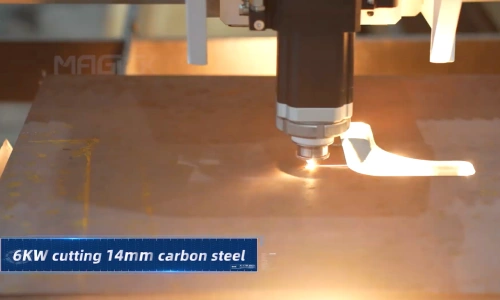
Laser Cutting Steel Sheet: A Practical Guide for Manufacturers
Learn how laser cutting steel sheet works, how to assess 20 mm cutting, edge quality and cost, and how to choose the right fiber laser machine.
Fiber Laser Cutter Buying Guide: Power, Price & Key Specs
Compare fiber laser cutter power, prices and key specs. Find the right configuration and request a tailored quote.
How Does a Laser Cutter Work?
How does a laser cutter work? Learn how laser focusing, assist gas, and CNC motion create precise metal cut.