A laser cutter works by focusing a high-energy laser beam onto a very small area of material. The concentrated energy heats the material until it melts, reacts, or—in some cases—vaporizes. Assist gas then removes the molten material from the cutting kerf, while a CNC system moves the cutting head along a programmed path.
That is the basic answer to how does a laser cutter work. In practice, several systems must work together: the laser source, beam delivery, focusing optics, assist gas, height control, and CNC motion system.
How Does a Laser Cutter Work Step by Step?
1. The Laser Source Generates the Beam
The process begins inside the laser source. In a fiber laser cutting machine, electrical energy is converted into laser energy and amplified through an active optical fiber.
The resulting beam is highly directional and can be focused into a very small spot. A laser does not cut like a blade or saw. Instead, it delivers enough thermal energy to change the state of the material in a localized area.
This concentrated energy is the foundation of how laser cutting works.
2. The Beam Travels to the Cutting Head
Once generated, the beam is delivered to the cutting head. In a fiber laser system, it travels through an optical fiber:
Laser Source → Optical Fiber → Cutting Head
The cutting head prepares the beam for cutting and directs assist gas toward the cutting zone.
Unlike mechanical cutting tools, there is no blade transferring force into the workpiece. The cutting energy is carried entirely by the laser beam.
3. The Optics Focus the Beam
A powerful beam alone is not enough; it must be focused.
Inside the cutting head, focusing optics concentrate the beam into a small focal spot. As the spot becomes smaller, the energy density increases sharply.
This is one of the key principles behind how a laser cutter works: concentrating a large amount of energy into a very small area.
The focus position is equally important. If the focal point is too high or too low, cutting efficiency and edge quality can deteriorate even when sufficient laser power is available.
What Actually Happens When a Laser Cuts Metal?
When the focused beam reaches the workpiece, the material absorbs part of the laser energy and converts it into heat. The temperature in the focal area rises rapidly.
The phrase “the laser burns through the metal” is an oversimplification.
In industrial metal cutting, the laser may melt the material, initiate an oxidation reaction, or vaporize part of it.
For many applications, melting is the dominant mechanism. The focused beam creates a narrow molten zone, and assist gas ejects the molten metal from the kerf, the narrow gap created by the cutting process.
So if you are asking how do lasers cut things, the practical answer is simple:
The laser supplies concentrated heat, and the assist gas removes the material.
Different materials respond differently because absorption, reflectivity, thermal conductivity, and melting point all affect the process.
Why Is Assist Gas Essential?
Assist gas is a critical part of how laser cutting works.
Without effective gas flow, molten metal can remain inside the kerf and solidify again. This may result in dross, incomplete separation, unstable cutting, or poor edge quality.
The most common cutting gases are nitrogen, oxygen, and compressed air.
Nitrogen Cutting
Nitrogen is commonly used when a low-oxidation edge is required, especially for stainless steel and aluminum.
The laser melts the material, while high-pressure nitrogen blows the molten metal out of the kerf.
Because nitrogen contributes little additional heat through chemical reaction, cutting depends mainly on laser energy and efficient molten-material removal.
Oxygen Cutting
Oxygen plays a more active role.
When oxygen reaches hot carbon steel, it reacts with the metal and releases additional heat.
The process therefore combines:
Laser Heating + Oxidation Heat
This can improve cutting efficiency in carbon steel, although the cut edge will normally have an oxide layer.
Compressed Air Cutting
Compressed air contains both nitrogen and oxygen and can be a lower-cost option for suitable applications.
Whether it is appropriate depends on the material, thickness, required edge quality, laser power, and production requirements.
Practical Cutting Note
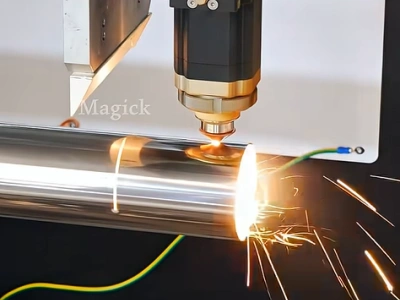
In real production, poor cut quality is not always solved by increasing laser power.
Dross or unstable cutting may also come from gas pressure, nozzle condition, focus position, cutting height, or cutting speed.
This is why laser cutting should be treated as a complete process rather than a question of laser power alone.
The Three Main Laser Cutting Mechanisms
Although the cutting head may appear to perform the same operation every time, the physical mechanism can be different.
Fusion Cutting
In fusion cutting, the laser melts the material and high-pressure gas removes the molten metal from the kerf.
Nitrogen is commonly used for stainless steel and aluminum when a low-oxidation edge is required.
Reactive Cutting
Reactive cutting, also called oxygen-assisted or flame cutting, combines laser heating with an exothermic oxidation reaction.
The laser brings the material to the required temperature, while oxygen reacts with the hot metal and contributes additional heat.
This method is commonly used for carbon steel.
Vaporization Cutting
In vaporization cutting, the laser raises the material temperature high enough for some material to turn directly into vapor.
This is less common in general metal fabrication.
| Cutting Method | What Happens | Typical Gas | Common Materials |
|---|---|---|---|
| Fusion Cutting | Metal melts and is blown away | Nitrogen | Stainless steel, aluminum |
| Reactive Cutting | Laser heating plus oxidation | Oxygen | Carbon steel |
| Vaporization Cutting | Material vaporizes | Process-dependent | Thin or specialized materials |
What Happens During Piercing?
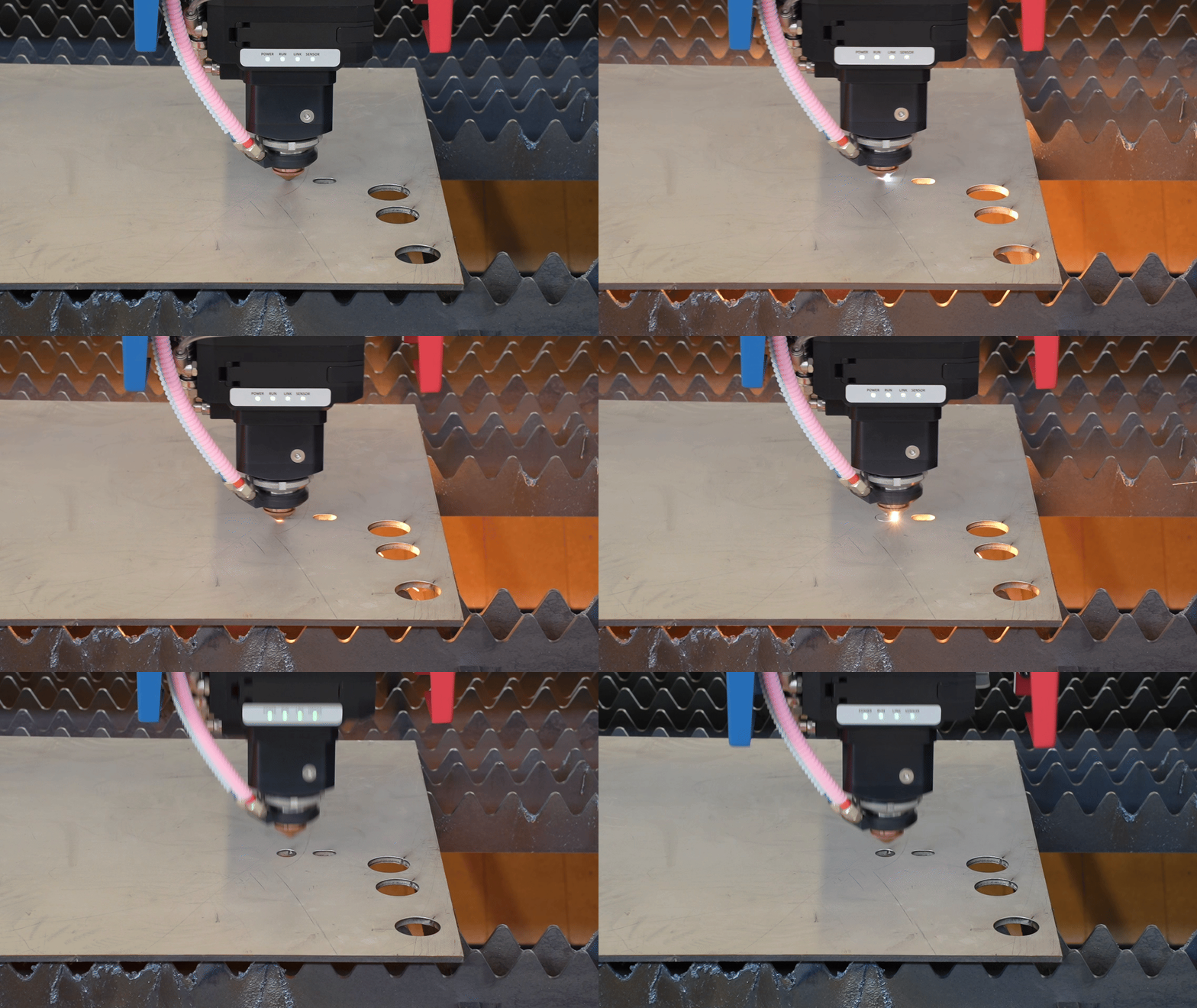
Before continuous cutting begins, the laser often has to create an initial opening through the material. This is called piercing.
The beam remains over a small area until it penetrates the workpiece, after which the cutting head follows the programmed contour.
Laser power, focus position, gas pressure, pulse strategy, and timing all affect piercing performance.
As the material becomes thicker, piercing generally becomes a more demanding part of the cutting cycle.
Why Doesn’t the Cutting Head Touch the Metal?
Laser cutting is a non-contact process.
The nozzle normally stays a small distance above the workpiece. The cutting head itself does not cut the metal; the focused laser beam does.
A height-control system helps maintain the correct stand-off distance. In many metal cutting systems, capacitive sensing is used.
Stable cutting height matters because it affects both beam focus and assist-gas flow.
If that distance changes too much during cutting, the process can become unstable even though the laser source itself is operating normally.
How Does CNC Control the Cut?
The laser provides the energy, but the CNC system determines where that energy goes.
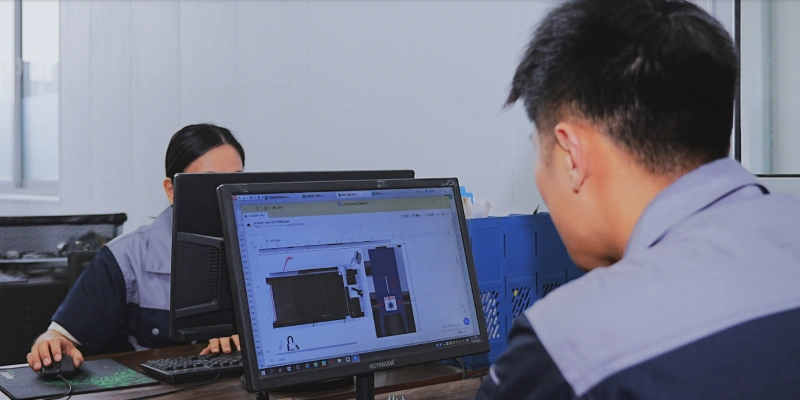
A typical workflow begins with a CAD drawing. CAM or nesting software converts the geometry into a cutting program, and the CNC controller coordinates the machine motion.
It may control:
- cutting path;
- cutting speed;
- acceleration;
- laser output;
- piercing;
- assist gas;
- focus position.
Servo motors then move the cutting head or workpiece along the programmed axes.
This is a key part of how a laser cutting machine works: the laser creates the thermal process, while the CNC and motion system turn that process into an accurate shape.
What Determines Whether the Laser Cuts Cleanly?
Understanding how does a laser cutter work is only the first step. Producing a clean and repeatable cut requires the main process variables to be properly balanced.
Laser power: Higher power increases the available cutting energy, but more power does not automatically create a better edge.
Cutting speed: If the machine moves too quickly, the material may not receive enough energy to cut through. Too slowly, and excessive heat may increase melting or widen the kerf.
Focus position: Incorrect focus reduces energy density where it is needed.
Assist gas: Gas type, pressure, nozzle size, and nozzle condition affect how effectively molten material is removed.
Material thickness: Thicker material generally requires more energy and more effective kerf evacuation.
Material properties: Reflectivity, thermal conductivity, laser absorption, surface condition, and melting point all influence cutting behavior.
For this reason, there is no single parameter set that works equally well for every metal and thickness.
How Does Fiber Laser Cutting Work?
Fiber laser cutting follows the same basic process:
Electrical Energy → Fiber Laser Source → Optical Fiber → Cutting Head → Focused Beam → Material Melting → Assist Gas Removal → CNC Motion
The fiber laser source generates the beam, the optical fiber delivers it, and the cutting head focuses it onto the workpiece.
The material absorbs the laser energy and heats rapidly. Assist gas removes the molten material, while the CNC system moves the cutting head along the required path.
Its effectiveness depends on the coordination of laser power, focusing, gas delivery, motion accuracy, and machine stability.
The Complete Laser Cutting Process in 7 Steps
To summarize how laser cutting works:
- The CNC program defines the required geometry.
- The laser source generates a high-energy beam.
- The beam travels to the cutting head.
- The optics focus it onto the workpiece.
- The material absorbs the energy and melts, reacts, or vaporizes.
- Assist gas removes material from the kerf.
- CNC-controlled motion moves the cutting zone along the programmed path.
Frequently Asked Questions
Does a Laser Cutter Burn the Material?
Sometimes, but not always.
In many industrial metal cutting applications, the laser primarily melts the material and assist gas removes the molten metal. In oxygen-assisted carbon steel cutting, oxidation also contributes heat.
Calling the entire process “burning” therefore does not accurately describe every laser cutting mechanism.
Why Does Laser Cutting Need Assist Gas?
Assist gas removes molten material from the kerf and helps stabilize the cutting process.
Depending on the gas used, it can also reduce oxidation or contribute additional heat through a chemical reaction.
Why Can a Laser Cut Metal Without Touching It?
Because the cutting energy is carried by the focused laser beam.
The cutting head does not need to make mechanical contact with the workpiece. Instead, the beam heats the material while the nozzle directs assist gas into the cutting zone.
Conclusion
So, how does a laser cutter work?
A laser source generates a high-energy beam. The beam is delivered to the cutting head and focused onto a very small area of the workpiece. The material absorbs the energy and melts, reacts, or vaporizes. Assist gas removes material from the kerf, while the CNC motion system moves the cutting zone along the programmed path.
The basic principle is straightforward. Reliable industrial laser cutting is not.
Laser power, focus position, cutting speed, gas pressure, nozzle condition, material properties, motion accuracy, and machine stability all affect the final result.
That is what turns a concentrated beam of light into a precise and repeatable industrial cutting process.
If you would like more information, please feel free to visit our Blog .
Written by MAGICK Technical Team