








A fiber laser cutter is the standard workhorse in automotive, aerospace, sheet metal fabrication, machinery manufacturing, architectural steel, electrical equipment, metal furniture, medical equipment, agricultural and heavy machinery, and HVAC production. Because these machines combine high speed, high precision and flexible programming with the ability to process a wide range of metals, they pay off in both one-off custom work and continuous mass production.
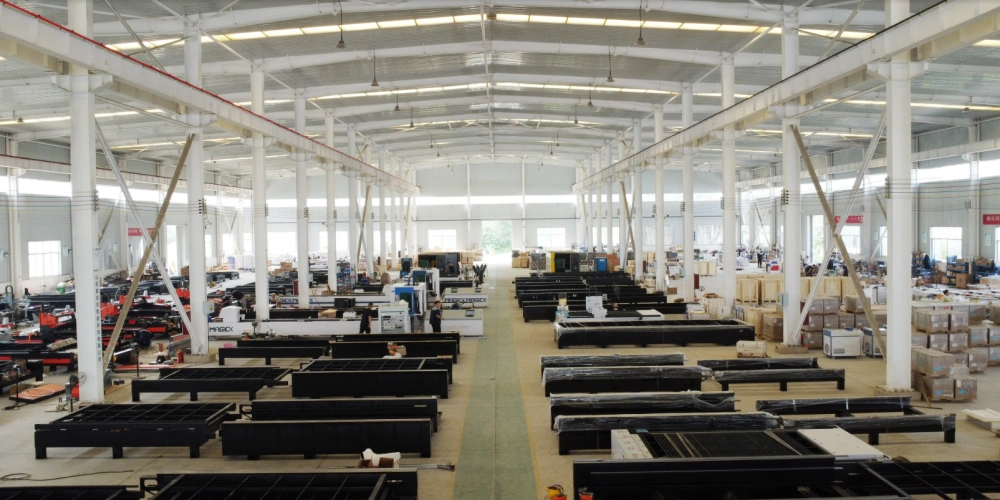
Different industries, however, place very different demands on cutting bed size, laser power, automation and machine configuration. This guide walks through the ten industries that use a fiber laser cutter most heavily, and explains the equipment characteristics buyers should check before placing an order — including a selection table you can match your own production requirements against.
What Is a Fiber Laser Cutter Used For?
A fiber laser cutter is used to cut, contour and perforate metal sheet, plate, tube and profile using a focused fiber-delivered laser beam. It handles carbon steel, stainless steel, aluminium, copper, brass and high-strength steel, and it replaces several traditional processes — punching, sawing, drilling and secondary positioning — with a single programmable operation. That flexibility is why these systems appear in such a wide spread of manufacturing sectors, from thin-gauge enclosure work to thick-plate structural fabrication.
1. Automotive and Electric Vehicle Manufacturing
Automotive manufacturers use fiber laser cutting to produce high-precision components while responding quickly to design change requests. Commonly processed materials include carbon steel, stainless steel, aluminium alloys and high-strength steel.
- Chassis and structural components
- Brackets, exhaust system components and body panels
- Electric vehicle battery trays and housings
Optimal Solution: High-speed sheet metal fiber laser cutters equipped with automatic loading and unloading systems suit mass production. Large components or aluminium alloy parts may call for a larger cutting area and a configuration tailored to the material thickness.
2. Aerospace Manufacturing
Aerospace production requires extremely high dimensional accuracy, consistent cutting quality and strict control of the heat-affected zone. The same machine can process components made of aluminium, stainless steel, titanium and other alloys.
- Aircraft brackets and structural panels
- Equipment housings and internal components
- Precision sheet metal parts
Optimal Solution: A precision, enclosed fiber laser cutter equipped with a stable motion control system. Material certification, process validation and quality traceability must also be planned for.
3. General Sheet Metal Fabrication
Sheet metal fabrication companies handle a wide variety of materials, part designs and order sizes. Rapid programming and changeover let a single machine serve both prototyping and repeat orders without tooling changes.
- Carbon steel, stainless steel, aluminium and copper parts
- Custom panels, brackets, guards and assemblies
- Small-batch and mixed-order production
Optimal Solution: A versatile sheet metal fiber laser cutter selected on maximum sheet size, material thickness, required speed and expected workload.
4. Machinery and Industrial Equipment
Machinery manufacturers need flexible processing for equipment frames, guards, enclosures and custom structural components. Laser cutting reduces reliance on tooling and simplifies design changes.
- Machine frames and guards
- Automation equipment components
- Custom sheet metal and structural components
Optimal Solution: Sheet metal fiber laser cutters or large-format machines. If thick plate accounts for a significant share of production, a high-power fiber laser cutter may be the better fit.
5. Architectural and Structural Steel
Structural steel fabricators process plates, tubes and sections used in building components and support structures. Precise cutting simplifies assembly and reduces subsequent machining.
- Steel plates and fasteners
- Round, square and rectangular tubes
- Holes, slots, contours and angle joints
Optimal Solution: Tube fiber laser cutters handle profiles, while large-format or high-power sheet machines are better suited to structural plates.
6. Electrical Cabinets and Enclosures
Electrical equipment production involves large numbers of sheet metal panels with holes, vents and complex contours. Repeatable precision from the cutter is critical for the downstream bending, welding and assembly steps.
- Power distribution and control cabinets
- Electrical enclosures and server racks
- Industrial equipment enclosures
Optimal Solution: High-speed enclosed sheet metal fiber laser cutters. Where specifications and batch sizes are stable, an automated material handling system lifts throughput further.
7. Metal Furniture and Fitness Equipment
Furniture and fitness equipment makers process tubular components that need precise holes, slots and joints. Tube-capable fiber laser cutting removes manual sawing, drilling and secondary positioning.
- Table, chair and shelving frames
- Structural components for treadmills and fitness equipment
- Round, square, rectangular and special-shaped profiles
Optimal Solution: A combined sheet and tube fiber laser cutter selected on tube length, diameter, profile type, loading method and finished-part requirements.
8. Medical Device Manufacturing
Medical device manufacturing demands consistent dimensions, clean cut edges and a controlled process. Fiber laser technology is commonly used on stainless steel components and sheet metal.
- Medical carts, trays and frames
- Diagnostic equipment housings
- Stainless steel panels and brackets
Optimal Solution: Precision enclosed fiber laser cutters, supported by comprehensive quality control, process documentation and traceability management.
9. Agricultural and Heavy Machinery
Agricultural and heavy machinery production involves thick plates, large workpieces and high-strength components, so cutting stability and material handling efficiency matter most.
- Frames and body components
- Components for wheel loaders, excavators and tractors
- Heavy-duty brackets and plate structural components
Optimal Solution: A high-power or large-format machine with a suitable loading system, cutting table, dust extraction and a thick-plate process package.
10. HVAC and Home Appliance Manufacturing
HVAC and appliance manufacturers process large volumes of thin, medium and thick sheet metal. High-speed cutting, consistent quality and efficient nesting optimise the downstream bending and assembly steps.
- Ventilation grilles and duct components
- Air conditioning units and appliance casings
- Kitchen appliance panels and covers
Optimal Solution: A high-speed enclosed sheet metal machine with a shuttle table to meet large-scale production and minimise manual handling.
How to Choose the Right Fiber Laser Cutter for Your Industry
Laser power is only one part of machine selection. Before choosing a fiber laser cutter, evaluate the complete production requirement:
- Material: carbon steel, stainless steel, aluminium, copper or other alloys
- Thickness: your normal production range, not only the maximum thickness
- Part type: sheet, plate, tube, profile or mixed processing
- Workpiece size: maximum sheet dimensions, tube length and profile diameter
- Production volume: customised orders, mixed batches or continuous production
- Automation: manual loading, exchange table, automatic loading or line integration
- Safety and environment: enclosure, fume extraction, floor space and local regulations
Fiber Laser Cutter Selection Guide by Production Requirement
| Production Requirement | Recommended Equipment Type |
|---|---|
| General sheet metal fabrication | Sheet metal fiber laser cutter |
| Continuous batch production | Machine with automated loading and unloading |
| Thick plate processing | High-power machine (12kW and above) |
| Tube and profile processing | Tube-cutting machine |
| Mixed sheet and tube orders | Combined sheet and tube machine |
| High safety or cleanroom requirements | Fully enclosed fiber laser cutter |
Fiber Laser Cutter FAQ
Which industries use a fiber laser cutter the most?
Automotive and EV manufacturing, general sheet metal fabrication, machinery and industrial equipment, and structural steel are the highest-volume users. Aerospace, medical equipment, metal furniture, agricultural machinery and HVAC production follow closely, each with its own thickness and automation profile.
Can one machine handle both sheet metal and tube?
Yes. A combined sheet and tube fiber laser cutter processes flat sheet and profiles on one machine, which suits fabricators running mixed orders. If tube work dominates, a dedicated tube laser fiber laser cutter usually delivers higher throughput per hour.
What laser power do I need?
Match power to your routine thickness rather than the maximum you might occasionally cut. Thin-gauge enclosure and HVAC work is well served by lower power, while structural steel and heavy machinery components need a high-power fiber laser cutter for acceptable speeds and edge quality.
How do I verify a fiber laser cutter before buying?
Ask for a cutting test on your own material and thickness, check the positioning accuracy and repeatability figures, confirm the control system and nesting software, and review the service and spare-part coverage in your region.
