
A laser cutter is an advanced industrial machine that uses a high-powered laser beam to cut metal materials with high precision, speed, and efficiency. Today, fiber laser cutting machines have become one of the most important technologies in modern metal fabrication, providing reliable solutions for sheet metal cutting, tube cutting, and various industrial manufacturing applications.
What Is A Laser Cutter?
A laser cutter is a machine that uses a focused laser beam to cut materials along a programmed path. By concentrating a large amount of energy into a precise cutting point, the laser can melt or remove material with excellent accuracy and minimal deformation.
Unlike traditional mechanical cutting methods, laser cutting is a non-contact process that reduces tool wear and provides smoother edges, higher precision, and greater flexibility. For industrial metal processing, fiber laser cutters are widely used because of their high efficiency, stable performance, and excellent cutting quality.
How Does A Laser Cutting Machine Work?
A laser cutting machine works by generating a powerful laser beam and focusing it onto the surface of a metal material. The concentrated laser energy creates extremely high temperatures, allowing the material to melt or vaporize while the cutting head moves according to a programmed cutting path.
1. Laser Generation
The laser source generates a high-energy laser beam that provides the power required for metal cutting. The quality and stability of the laser source directly influence cutting performance, efficiency, and processing results.
2. Beam Transmission And Focusing
The laser beam is transmitted through the optical system and focused by the cutting head into a small point with high energy density. This precise focusing process allows the machine to achieve accurate and efficient metal cutting.
3. CNC Controlled Cutting
The CNC control system guides the movement of the cutting head according to the designed cutting program. It controls cutting paths, machine movement, and processing parameters to ensure accurate and repeatable results.
4. Metal Cutting Process
During the cutting process, assist gases help remove molten metal and improve cutting quality. The combination of laser energy, gas assistance, and precise movement produces clean cutting edges and efficient processing performance.
Main Components Of A Fiber Laser Cutting Machine
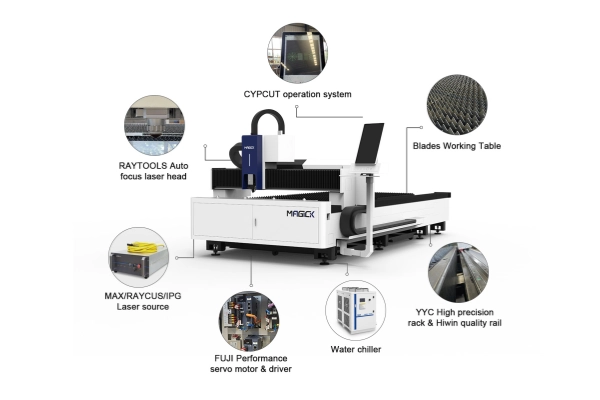
A modern fiber laser cutting machine consists of multiple precision components that work together to achieve stable, accurate, and efficient metal cutting performance. Understanding these key components helps users evaluate machine reliability, cutting capability, and long-term production efficiency.
1. Heavy-duty Machine Bed
The machine bed provides the foundation for the entire fiber laser cutting system. Built with a high-strength welded steel structure and stress-relief treatment, it offers excellent rigidity and vibration resistance. This robust design ensures long-term stability and maintains high-precision cutting performance during continuous industrial operation.
2. Aluminum Gantry Beam
The aluminum alloy gantry combines lightweight construction with high structural strength. By reducing moving inertia while maintaining excellent rigidity, it enables faster acceleration, smoother operation, and improved cutting accuracy.
3. Advanced Laser Cutting Head
The laser cutting head is one of the most important components of a fiber laser cutting machine. It focuses the laser beam onto the material surface and maintains a stable cutting distance. Equipped with automatic height sensing and precise focusing technology, it ensures consistent cutting quality across different metal materials and thicknesses.
4. CNC Control System
The CNC control system coordinates machine movement, cutting parameters, and processing operations. With intelligent control technology, it enables automated production, accurate positioning, and repeatable cutting results for different metal fabrication applications.
5. Independent Electrical Cabinet
The independent electrical cabinet integrates the CNC controller, servo drives, electrical components, and safety protection modules. Its separated design improves system reliability, simplifies maintenance, and helps ensure stable machine operation.
6. Waste Collection System
The waste collection system efficiently collects metal residues and cutting debris generated during operation. It helps maintain a cleaner working environment while making machine cleaning and daily maintenance more convenient.
What Materials Can A Metal Laser Cutter Cut?
Fiber laser cutting machines are mainly designed for industrial metal processing and can handle a wide range of metal materials. With excellent beam quality, high energy efficiency, and stable cutting performance, fiber laser technology provides reliable solutions for different manufacturing applications.
Carbon Steel
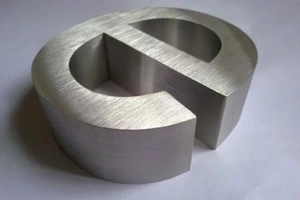
Carbon steel is one of the most commonly processed materials in laser cutting applications. It is widely used in machinery manufacturing, construction equipment, and general metal fabrication due to its excellent machinability.
Stainless Steel
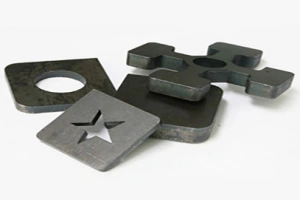
Fiber laser cutting provides smooth edges, high precision, and excellent surface quality when processing stainless steel sheets and tubes. It is widely used in industries requiring clean and accurate metal fabrication.
Aluminum
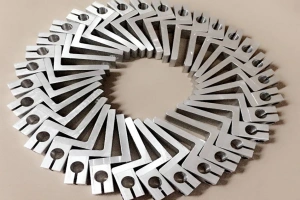
With advanced fiber laser technology, aluminum materials can be efficiently processed for lightweight structures, automotive parts, and industrial components.

Copper
Fiber laser cutting machines can process copper materials with optimized cutting parameters, providing solutions for electrical components and specialized industrial applications.
Advantages Of Fiber Laser Cutting
High Cutting Precision
Fiber laser cutting machines provide accurate cutting results with narrow cutting widths and excellent edge quality. This makes them suitable for complex metal fabrication tasks that require high dimensional accuracy and consistency.
Fast Processing Speed
High-speed laser processing improves production efficiency and helps manufacturers reduce processing time. Compared with traditional cutting methods, fiber laser technology provides faster and more flexible production capabilities.
Excellent Cutting Quality
The focused laser beam delivers smooth cutting edges with minimal deformation. This reduces additional finishing work and improves the overall quality of finished metal parts.
Low Maintenance Requirements
Fiber laser systems feature fewer consumable components and high energy efficiency, helping reduce long-term operating costs. Their stable design also improves machine reliability during continuous industrial operation.
Flexible Metal Processing
Fiber laser cutting machines can process different metal forms, including sheets, plates, tubes, and profiles. This flexibility makes them suitable for a wide range of manufacturing applications.
Sheet Metal Laser Cutting And Tube Laser Cutting
Different manufacturing requirements require different laser cutting solutions. Fiber laser cutting machines are available for both flat sheet metal processing and tube profile cutting.
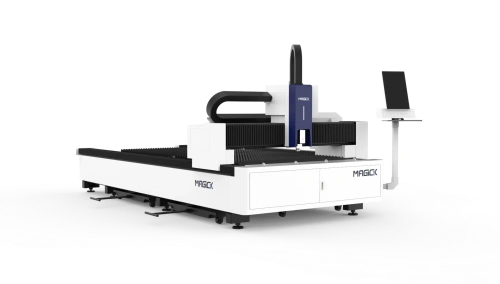
Sheet Metal Laser Cutting Machine
A sheet metal laser cutting machine is designed for processing flat metal plates with high precision and efficiency. It is commonly used for cutting stainless steel sheets, carbon steel plates, aluminum panels, and other metal materials used in industrial fabrication.
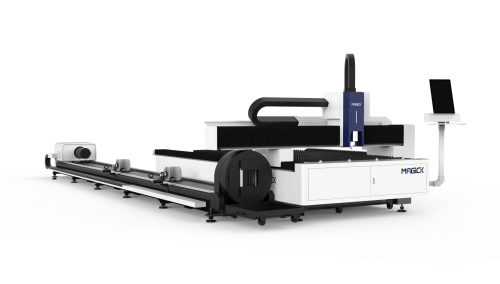
Sheet And Tube Dual-use Fiber Laser Cutting Machine
A sheet and tube dual-use fiber laser cutting machine combines flat sheet cutting and tube processing capabilities in one system. It provides greater production flexibility for manufacturers who need to process different types of metal materials.
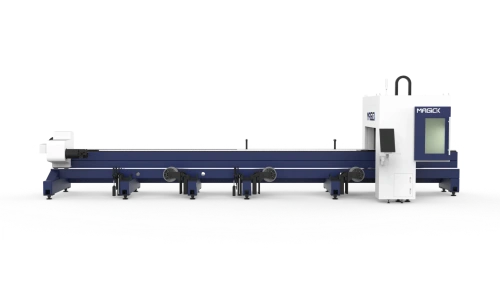
Tube Laser Cutting Machine
A tube laser cutting machine is designed for processing round tubes, square tubes, rectangular tubes, and various metal profiles. It provides accurate cutting solutions for industries such as automotive components, construction, furniture, and machinery manufacturing.
Applications Of Industrial Laser Cutting Machines
Industrial laser cutters are widely used in industries that require precise, efficient, and reliable metal processing solutions.
- Sheet metal fabrication
- Automotive parts manufacturing
- Machinery production
- Kitchen equipment manufacturing
- Construction equipment
- Metal furniture production
- Industrial equipment manufacturing
How To Choose The Right Fiber Laser Cutting Machine?
Choosing the right fiber laser cutting machine depends on material type, thickness requirements, production efficiency, and application needs.
Material Type
Determine whether your production mainly requires sheet metal cutting, tube cutting, or both. Different applications require different machine configurations.
Material Thickness
Different material thicknesses require suitable laser power and cutting configurations to achieve the best cutting performance.
Machine Configuration
Important factors include laser source, cutting head, CNC control system, working area, machine structure, and automation features.
Production Requirements
The ideal machine should match your production volume, processing speed requirements, and future manufacturing expansion plans.
Frequently Asked Questions About Laser Cutters
What is a laser cutter used for?
A laser cutter is mainly used for precision cutting of metal materials in industries such as fabrication, automotive, machinery, and manufacturing.
What metals can a fiber laser cutter cut?
Fiber laser cutters can process various metals including carbon steel, stainless steel, aluminum, copper, and other alloys.
Can a laser cutting machine cut copper?
Yes. Fiber laser cutting machines can process copper materials with optimized cutting parameters and suitable machine configurations. Copper cutting requires proper settings because of its high reflectivity and thermal conductivity.
What is the difference between sheet and tube laser cutting?
Sheet laser cutting is designed for flat metal plates, while tube laser cutting is optimized for round, square, rectangular, and profile materials.
Why choose a fiber laser cutting machine?
Fiber laser cutting machines offer high precision, fast processing speed, excellent cutting quality, and efficient operation for industrial metal fabrication.
How long does a fiber laser cutting machine last?
With proper operation and maintenance, a high-quality fiber laser cutting machine can provide reliable performance for many years in industrial production environments.
Conclusion
Laser cutters have transformed modern metal manufacturing by providing faster, more precise, and more flexible cutting solutions. Among industrial laser technologies, fiber laser cutting machines have become an ideal choice for sheet metal and tube processing because of their efficiency, reliability, and excellent cutting performance.
